What Is the Best Time for Gorilla Trekking in Rwanda?
The best time for gorilla trekking in Rwanda is the long dry season from June to September and the short dry season from December to February, when trails dry out and the forest is easier to hike. Rwanda lies close to the equator at high altitude, so daytime temperatures stay between about 21°C and 27°C year-round, dropping to 10°C to 15°C at night and at higher elevations. Volcanoes National Park is a rainforest, so rain is possible in any month, but the dry seasons see noticeably less of it.
The long rainy season runs from March to May and brings the heaviest, most persistent rain of the year. Trails become muddy and the steep slopes turn slippery, which makes the climb harder but does not stop trekking. The short rains fall in October and November, with shorter bursts that often clear to blue skies. Permits are easier to secure in these wetter months, lodge rates frequently drop, and the forest is at its greenest.
Timing also shapes the price and the crowds. The dry months are peak season, so permits sell out earliest and lodges charge their highest rates. The shoulder months of May, September, December and March offer a middle ground of reasonable weather with better availability. Rwanda also runs an annual highlight in the dry season: Kwita Izina, the gorilla naming ceremony, which usually takes place in September and names the infants born over the previous year.
What to Expect on a Gorilla Trek in Rwanda?
A gorilla trek in Rwanda begins early. Lodges collect guests between roughly 5:30 and 6:30 in the morning for the drive to Kinigi Park Headquarters, the modern facility at the base of the Virunga volcanoes where every trek in Volcanoes National Park starts. The headquarters has paved paths, cushioned outdoor seating, educational displays and a coffee bar, and the morning often opens with traditional song and dance while groups assemble for the briefing.
At around 7:00, a ranger conducts a mandatory pre-trek briefing lasting 30 to 45 minutes. Trekkers are split into groups of up to eight and assigned to a specific habituated gorilla family, with the allocation matched to fitness and group size. Families closer to the trailhead suit older visitors or those with limited mobility, while others sit higher up and demand a longer climb. You will need to show the ID you used to book your permit before you set off.
The hike itself runs anywhere from about two to seven hours in total, depending on where the trackers locate your family that morning. Trackers move out before dawn to find the gorillas, so the guides lead you toward a known position rather than searching blind. The terrain climbs through farmland, then bamboo and mountain forest, and can be steep, muddy and slippery, especially after rain. Guides set a steady pace and stop regularly to rest, so you are not pushed to move fast.
Once your group reaches the gorillas, you spend exactly one hour with them at a government-mandated distance of about seven metres. The hour is when you watch silverbacks, females and infants feed, groom, play and rest, often at very close range as they move around you. Several rules apply throughout: no flash photography, no eating or drinking in front of the gorillas, keep your voice low, and stay back if a gorilla approaches. The one-hour limit is enforced strictly to reduce stress on the animals and the risk of passing human disease to them.
A rare but true detail: mountain gorillas share roughly 98 percent of their DNA with humans, which is exactly why disease transmission is taken so seriously. Trekkers with a cold, flu or any contagious illness can be refused entry on the day, and anyone needing to cough or sneeze is asked to turn away from the gorillas and cover their mouth with a bent elbow.
What Are the Successful Tips for Trekking the Gorillas?
The single most useful tip for trekking the gorillas is to hire a porter at the trailhead. Porters charge roughly USD 15 to 20, carry your daypack, and give you a steadying hand on steep or muddy sections. Many are former poachers who now earn a living from tourism, so the fee supports conservation directly and keeps your hands free for balance and photographs. Even fit trekkers find a porter worthwhile on the climb.
Physical preparation matters because the altitude and terrain are genuinely demanding. Volcanoes National Park sits high, and the combination of thin air, steep slopes and slick ground tires people who underestimate it. A few weeks of cardio and some practice hikes before you arrive make the day far more comfortable, and you can request a closer, easier gorilla family at the briefing if you tell the rangers about fitness or mobility limits.
What you wear and carry decides how the day feels. Choose broken-in waterproof hiking boots, long trousers and long sleeves tucked in to keep safari ants out, and layers in greens, greys and browns. Avoid camouflage clothing, which is restricted for civilians in Rwanda, and skip loose plastic bags, since Rwanda enforces one of the world's strictest bans on non-biodegradable plastics. Pack rain gear, gloves, a 20 to 30 litre daypack, plenty of water, snacks, sunscreen and a spare pair of socks.
On your feet and legsWaterproof hiking boots worn in before the trip, long quick-dry trousers, merino or synthetic socks plus a spare dry pair, and gaiters if you have them. Long trousers tucked into socks keep biting safari ants away on the forest floor.
Upper layersA moisture-wicking long-sleeved base, a light fleece, and a breathable waterproof jacket. Gardening-style gloves protect your hands from stinging nettles and thorns when you grab vegetation on steep ground.
In the daypackAt least two litres of water, energy snacks, a packed lunch from your lodge, sunscreen, insect repellent, a basic personal first aid kit, and a dry sack or rain cover for camera gear.
For the gorilla hourA camera with charged spare batteries and the flash switched off, plus your permit and the passport or ID used to book it. Photography without flash is allowed, but you cannot eat, drink or use a tripod near the family.
Hydrate and eat a full breakfast before you leave, because you cannot eat or drink in front of the gorillas and the trek can run long. A walking pole, whether your own, the lodge's, or one cut from bamboo by your guide, helps enormously on the descent. Tips for guides, trackers and porters are customary and separate from the porter fee, so carry small US dollar notes for the end of the day.
What Is the Cost of Gorilla Trekking in Rwanda?
The cost of gorilla trekking in Rwanda starts with the government permit at USD 1,500 per person per trek for foreign non-residents in 2026, set by the Rwanda Development Board and unchanged from recent years. That figure covers park entry on trek day, the guided hike, the tracker and ranger teams, and one hour with a habituated family. It does not include lodging, transport from Kigali, meals, porter fees or tips, which together usually exceed the permit itself.
The permit price varies by residency. Rwandan and East African Community citizens pay USD 200, while Africans and African residents pay USD 500. Under a 2026 promotion, those discounted regional rates apply outside the June to October peak, subject to availability and valid documentation. Separately, foreign visitors who trek in the November to May low season and also visit Akagera and Nyungwe national parks can qualify for a 30 percent permit discount, reducing the foreign rate to around USD 1,050.
Gorilla permit, foreign non-residentUSD 1,500 per person per trek. The fixed centrepiece of any Rwanda gorilla trip, payable in full to confirm the booking.
Permit, African resident and East African citizenUSD 500 for Africans and African residents, and USD 200 for East African Community citizens under the 2026 regional promotion.
Low-season permit discountAbout USD 1,050 for foreign visitors who trek between November and May and also visit Akagera and Nyungwe, a 30 percent saving.
Porter and tipsRoughly USD 15 to 20 for a porter, plus customary tips for guides, trackers and porters paid in small US dollar notes.
Lodging near the parkFrom about USD 180 per night at budget guesthouses to USD 1,100 mid-range and USD 1,600 to USD 3,800 at the top luxury lodges, per person.
Transport from KigaliA private return transfer for the 2.5 to 3 hour drive, or a helicopter transfer for travellers short on time, billed on top of the package.
A realistic full trip sits well above the permit alone. A short three to four night programme with a mid-range lodge, private transfers and one trek commonly lands in the low thousands per person before international flights, while a luxury build with a top lodge and several nights can reach USD 4,000 to USD 6,000 or more. The lodge tier and the number of nights move the total far more than any other line. Use the estimator below to model your own figure.
What Other Things to Do Beyond Gorilla Safaris?
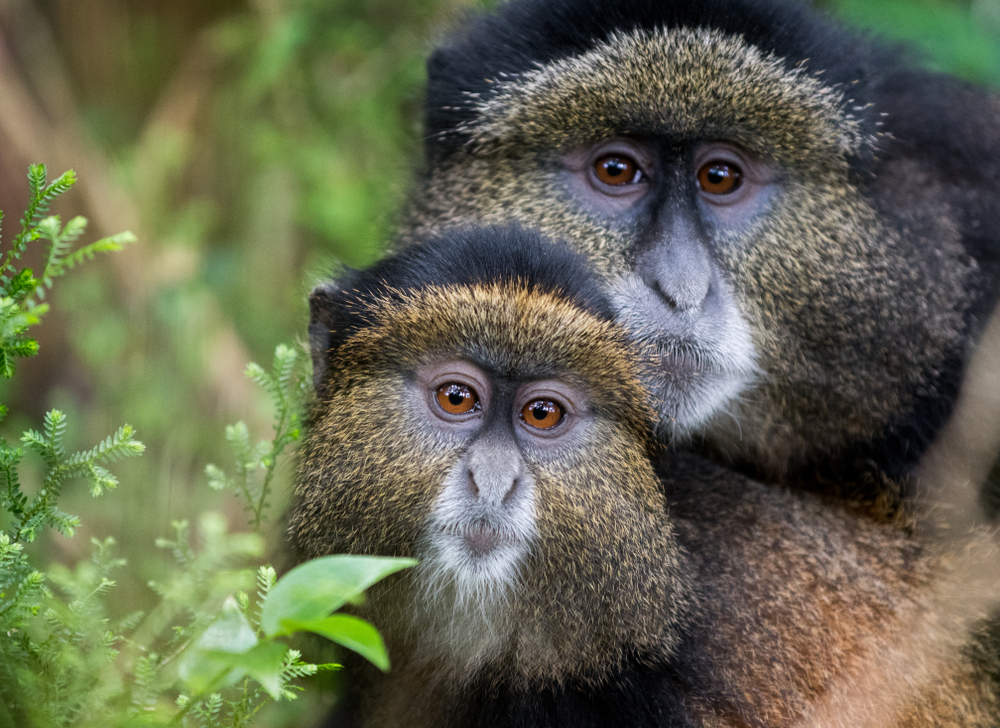
Beyond gorilla safaris, Rwanda packs an unusual amount into a small, easy-to-cross country. The most direct add-on is golden monkey tracking in the same Volcanoes National Park, a shorter and gentler trek that follows troops of the endangered golden monkey through the bamboo. Many trekkers pair it with the hike to Dian Fossey's grave and the former Karisoke research site, the place that put Rwanda's gorillas on the world's conservation map.
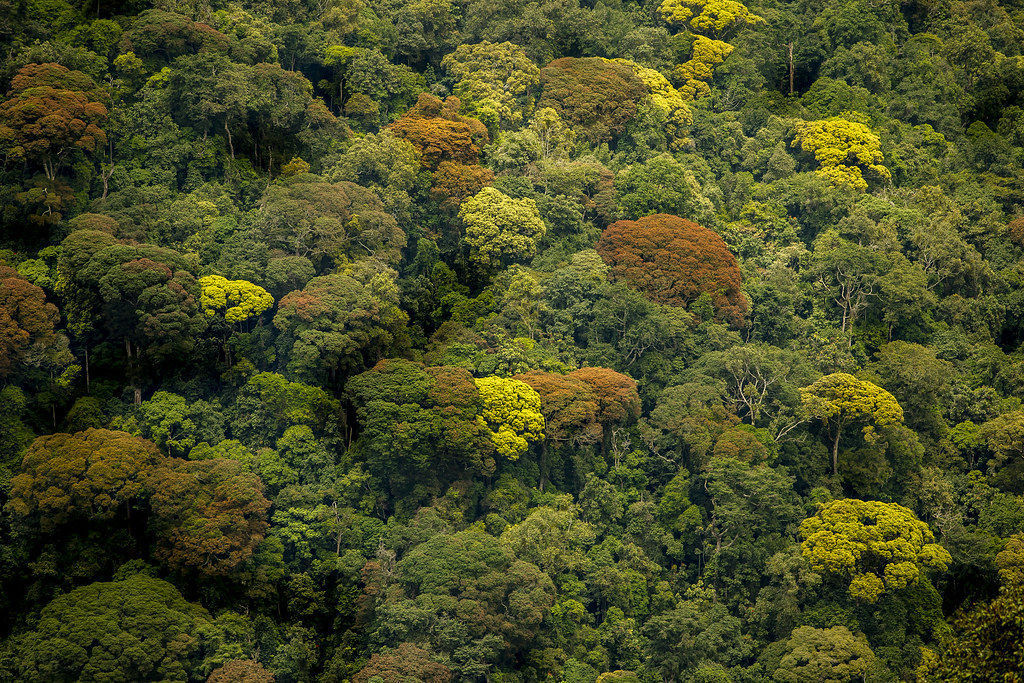
Nyungwe National Park in the southwest is one of Africa's oldest montane rainforests, with more than 1,000 plant species and over a dozen primate species. It is best known for chimpanzee trekking and for East Africa's only canopy walkway, a suspended bridge high above the forest floor. Chimpanzee permits cost a fraction of a gorilla permit, and the chimps are far more mobile and vocal than the gorillas, so the experience feels very different.
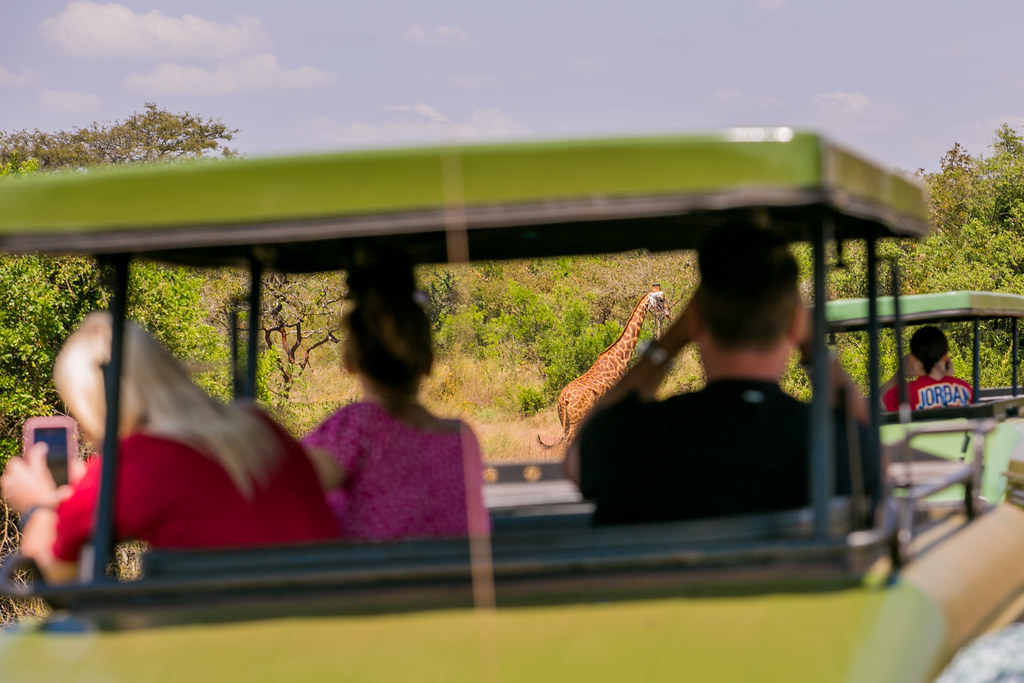
Akagera National Park in the east is Rwanda's Big Five savannah park and the site of one of Africa's most celebrated wildlife recoveries, with lions and rhinos successfully reintroduced after being lost during decades of upheaval. Game drives turn up elephant, buffalo, giraffe and zebra, while a boat safari on Lake Ihema brings close views of hippo pods, crocodiles and a bird list of more than 480 species. It is the natural counterweight to the forest parks.
Lake Kivu, about an hour from Volcanoes National Park, is the warm, low-altitude decompression stop after the intensity of the treks, with beaches around Rubavu, boat trips to islands such as Idjwi, and the 227-kilometre Congo Nile Trail running along its shore for hikers and cyclists. Kigali itself rewards a day or two for its markets, art, food scene and the sobering but important Kigali Genocide Memorial, which gives important context to modern Rwanda.
Can You Compare Uganda and Rwanda Gorilla Treks?
Comparing Uganda and Rwanda gorilla treks comes down to price, access, terrain and trip style, because the gorilla hour itself is similar in both. The headline difference is cost: Uganda's permit is USD 800 for foreign non-residents in 2026, while Rwanda's is USD 1,500, a gap of USD 700 per person that grows quickly for couples and families. Uganda also runs low-season pricing and a longer four-hour gorilla habituation experience for USD 1,500 that Rwanda does not offer.
Access favours Rwanda. Volcanoes National Park is a 2.5 to 3 hour drive from Kigali on good roads, so a trek fits into a short trip. Uganda's Bwindi Impenetrable National Park is an 8 to 10 hour drive from Entebbe, though flying into Kigali and crossing to Bwindi in 4 to 5 hours is a popular shortcut. On terrain, Rwanda's bamboo-dominated slopes are generally more open and often photograph more easily, while Bwindi's dense, trail-less rainforest is steeper and more demanding, which many trekkers value as a more rugged adventure.
Uganda has more gorillas to trek and a wider conservation menu. It holds roughly half the world's mountain gorillas and more habituated families, which means more permits, easier availability and the option to combine gorillas with chimpanzees in Kibale and savannah wildlife in Queen Elizabeth National Park. Rwanda counters with about 12 habituated families in one compact park, a denser cluster of luxury lodges, and a polished, low-volume model. Note one recent change on the Uganda side: from March 2026 the old seven-day permit hold was removed, so Uganda permits must now be paid in full at the time of booking.
What Are the Top Lodges for Your Stay During a Gorilla Tour?
The top lodges for a gorilla tour cluster around Kinigi and Musanze, close to the park headquarters where treks begin, so you avoid a long pre-dawn transfer. At the luxury end, Bisate Lodge is the most awarded property in Rwanda, with six dome-shaped forest villas built into an eroded volcanic cone and a major reforestation programme. Its 2026 fully inclusive rate starts around USD 2,569 per person per night, covering meals, drinks, guiding and most activities, with the permit charged separately.
Singita Kwitonda Lodge sits on a 178-acre concession right on the park boundary, with suites featuring fireplaces, standalone baths and private heated plunge pools, and a strong on-site reforestation effort guests can join. One&Only Gorilla's Nest spreads through a fragrant eucalyptus forest with a wellness focus and standout spa. All three are designed for travellers who want the shortest possible morning transfer paired with the highest level of comfort after a demanding trek.
For mid-range value, Wilderness Sabyinyo Lodge, formerly Sabyinyo Silverback Lodge, is one of only two permanent lodges directly on the park boundary. It is owned by a community trust representing more than 75,000 people, with lodge profits flowing back to surrounding parishes, and sits about 15 minutes from the trek start. Virunga Lodge trades proximity for one of the country's best views, perched on a ridge above lakes Bulera and Ruhondo. Both typically price around USD 1,100 per person.
Bisate Lodge, luxurySix bird's-nest villas built into a volcanic amphitheatre, the most awarded lodge in Rwanda, fully inclusive from about USD 2,569 per person per night in 2026, with an extensive reforestation project guests can take part in.
Singita Kwitonda, luxuryOn the park edge with all-glass suites, fireplaces and private heated plunge pools across a large private concession, around USD 2,200 per person per night, paired with a serious on-site conservation and reforestation programme.
One&Only Gorilla's Nest, luxurySet in a eucalyptus forest with a strong wellness and spa focus and a deeply forested setting, suited to travellers who want recovery and pampering between treks.
Wilderness Sabyinyo Lodge, mid-rangeEight stone cottages directly on the park boundary, community-owned with profits returned to local parishes, about 15 minutes from the trailhead and roughly USD 1,100 per person.
Virunga Lodge, mid-rangeRidge-top setting with sweeping views over two crater lakes, one of the finest outlooks in the country, comfortable and characterful at around USD 1,100 per person.
Kinigi Guest House, budgetA simple, well-run base in Kinigi close to park headquarters, helpful with permits and activities, the kind of place that proves you do not need luxury for a strong trekking trip.
How Do You Book a Gorilla Trek?
You book a gorilla trek in Rwanda in one of two ways: directly through the Rwanda Development Board, or through a licensed tour operator, and the choice shapes how much you manage yourself. Booking covers two linked steps, the permit and the surrounding trip of lodge, transport and activities, and because permits are date-specific and limited, the date you secure drives everything else. Peak dates from June to September and December to February sell earliest, so most travellers reserve well ahead.
The operator route is the one most international visitors choose. A licensed operator checks permit availability, holds your preferred date, arranges the permit with the Rwanda Development Board, and bundles it with lodge bookings, private transfers from Kigali and any add-on parks into a single package. They also advise which gorilla family suits your fitness and handle any change, such as a date shift or a health issue, that would otherwise fall to you. This is the simpler path for a multi-park or multi-country itinerary.
The direct route uses the Rwanda Development Board's official online portal, Irembo, at the visitrwandabookings address, where you browse availability by date, select a gorilla group subject to availability, and pay by card. It works and saves the operator margin, but the system can be awkward for first-timers, popular dates vanish fast, and you carry the trip logistics and any problems alone. Whichever route you take, book the permit first, then build the lodge and transport around the confirmed date rather than the other way round.
Plan your lead time by season. For peak months, secure permits six to nine months ahead, and for Christmas and New Year aim for nine to twelve months. Low-season dates can sometimes be arranged two to three months out. Whatever your route, the permit is paid in full or with a substantial non-refundable deposit to confirm, and it is not refunded if you fail to show up on the day.
How Do You Acquire a Gorilla Permit?
You acquire a Rwanda gorilla permit by applying through the Rwanda Development Board, either directly on its Irembo online portal or via a licensed operator who applies on your behalf. The application needs full traveller details: your full name exactly as on your passport, nationality, date of birth, country of residence, passport copy, email and phone number. The permit is issued on a first-come, first-served basis, and full payment is required to confirm it before any digital permit is generated.
Accuracy at this stage is not optional. The Rwanda Development Board verifies traveller documents at the park gate, and anyone who submitted an incomplete or false application, applied for the wrong product, or uploaded an expired or mismatched ID can be refused entry even after paying and receiving a system-generated permit. The passport details on the permit must match the ID you present at the Kinigi briefing, so book under the exact name on the passport you will travel with.
A few eligibility rules apply to every permit. The minimum age is strictly 15 years, agreed across all three gorilla-trekking countries, with no upper age limit, though the physical demands mean older or less mobile trekkers should weigh the climb honestly. Each habituated family is visited by a maximum of eight people per day, capping daily permits at roughly 96 across the park, which is why early application matters so much. Once issued, your permit is a digital document you present, with your matching ID, on the morning of the trek.
Are gorilla sightings guaranteed once you have a permit?
Sightings are close to certain but never formally guaranteed. Trackers locate each habituated family every morning before visitors set out, so the success rate is very high. In the rare event a family cannot be found after an exhaustive search, the Rwanda Development Board offers a refund or a reschedule.
How fit do you need to be for a Rwanda gorilla trek?
You need moderate fitness rather than peak condition. Treks run from about two to seven hours over steep, often muddy terrain at altitude. You can request a closer, easier family at the briefing, and a porter and walking pole make a real difference. A few weeks of cardio beforehand helps a great deal.
How long do you actually spend with the gorillas?
Exactly one hour, enforced strictly to limit stress on the animals and the risk of disease transmission. The hike to reach them and back can take far longer, but the time at the family itself is capped at 60 minutes from the moment your group reaches them.
Can children go gorilla trekking in Rwanda?
No. The minimum age is 15 years, applied consistently across Rwanda, Uganda and the DRC, and verified against the passport at the park gate. There is no upper age limit, though the trek is physically demanding.
Is Rwanda safe for gorilla trekking?
Rwanda is consistently rated among Africa's safest countries, with low crime and strong infrastructure, and Volcanoes National Park is well protected and managed. Treks are accompanied by trained guides and armed rangers throughout, and all gorilla interactions are guided and rule-bound.
What happens to the money from gorilla permits?
Permit revenue funds park protection, anti-poaching patrols and gorilla conservation, and a share is returned to surrounding communities through a revenue-sharing scheme that supports schools and health centres. Additional funds compensate farmers for crop damage, which helps reduce conflict between people and wildlife around the park.
How to Reach Volcanoes National Park and Plan Your Trip
Nearly every trip begins at Kigali International Airport, the main gateway and a clean, well-connected hub. From Kigali, the drive to Volcanoes National Park near Musanze and Kinigi takes about 2.5 to 3 hours on sealed roads, the shortest airport-to-gorillas transfer of any major trekking destination. Travellers short on time can arrange a helicopter transfer, while those combining parks usually move on to Nyungwe, Akagera or Lake Kivu, all reachable within a few hours by road.
Build the itinerary around the confirmed permit date. A focused gorilla trip works in three to four nights, while five to eight nights lets you add chimpanzees in Nyungwe, savannah wildlife in Akagera and a rest day at Lake Kivu without rushing. Check current visa requirements before travel, since Rwanda's entry rules are straightforward but worth confirming, and remember the country's plastic-bag ban applies from the moment you land, so pack reusable dry sacks rather than loose polythene.
The wider conservation picture explains why the trek is run the way it is. Mountain gorillas were once near extinction, with the Virunga population down to around 240 individuals roughly three decades ago, and the species is now classed as endangered rather than critically endangered after sustained recovery. The strict permit caps, the one-hour limit, the seven-metre distance and the health screening all exist to protect a population that, at about 1,063 animals, remains small and closely watched. Trekking funds that protection directly, which is the quiet logic behind the price.
What Rwanda gorilla tours and safaris do you offer?
We design private, tailor-made Rwanda gorilla tours for every budget and pace. A classic Rwanda gorilla safari pairs a trek in Volcanoes National Park with the country's finest lodges, while longer Rwanda gorilla safaris add golden monkeys, chimpanzees in Nyungwe and Big Five game drives in Akagera. We secure your gorilla permits and handle every detail, so browse all of our Rwanda gorilla safaris to start planning.
When is the best time for Rwanda gorilla tracking, and what does it cost?
Rwanda gorilla tracking runs all year, though the two dry seasons (June to September and December to February) give the easiest trails. See our guide to the best time for gorilla trekking, what a trip actually costs, and how to choose the right lodge near the park when planning your Rwanda gorilla tracking adventure.